Embracing Change at Every Age
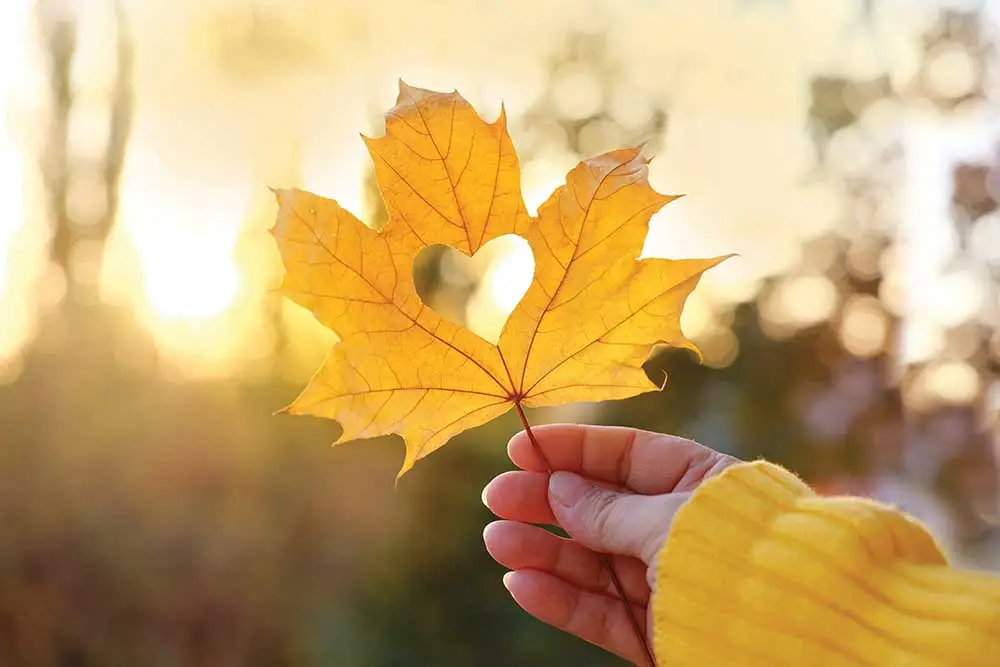
There is something about fall that makes us notice change. The leaves that were green just weeks ago begin transforming into brilliant shades of red, orange, and gold. The days grow shorter, the air becomes cooler, and gardens that were once bursting with flowers and fresh vegetables begin to quiet down. Even the landscape we have known all summer starts to look different.
And yet, we don't look at a maple tree in October and think something has gone wrong. We understand that it is changing because it is supposed to change. The tree isn't failing because it isn't green anymore. It is simply entering another season.
Our bodies are much the same.
From the moment we are born, our bodies are changing. Some changes happen quickly and dramatically, while others happen so gradually that we barely notice them until one day we realize that something that once felt effortless now requires a little more attention. We grow and develop. Hormones change. We gain strength and, eventually, may begin to lose some of it. Our metabolism shifts. Our sleep patterns change. Our joints may need more care. Our emotional needs evolve.
These changes aren't necessarily signs that something is wrong. They are signs that we are moving through the seasons of life.
The Seasons of Growth
Early life is a season of remarkable growth. Children's bodies seem to change almost before parents can keep up, and then comes puberty—a particularly dramatic period when hormones, physical development, emotions, and identity can all seem to change at once. For a young person, it can be confusing to suddenly feel different in a body that once seemed familiar.
Yet growth requires change.
The child who was once dependent on others begins becoming more independent. The body develops, the brain continues to mature, new emotions emerge, and new questions arise. It can be an awkward and sometimes uncomfortable period, but it is also a season of becoming.
Young adulthood can feel more like summer. Energy often seems abundant, recovery can feel almost effortless, and many people can stay up late, skip a workout, or eat whatever is convenient and still manage to keep going. It can be easy to assume the body will always work that way.
But even during this seemingly effortless season, the body is establishing patterns. How we eat, move, sleep, manage stress, and care for ourselves becomes part of the foundation we carry into the years ahead. We may not see the consequences of those choices immediately, just as we don't see a tree preparing for autumn while it is in the full growth of summer. But the groundwork is being laid for the seasons to come.
When the Body Begins to Ask for Something Different
Eventually, most of us reach a season when our bodies begin asking for something different.
For some, the first sign of midlife is the waistband. Foods that never seemed to affect us suddenly seem to affect us differently. The scale may move more easily in one direction than the other. Hormonal changes can influence sleep, energy, mood, and metabolism. Muscle mass can gradually decline if we don't challenge our bodies to maintain it.
It can be tempting to look at these changes as evidence that our bodies are working against us. But perhaps a better way to think about midlife is as a period of recalibration.
Our bodies haven't necessarily stopped working. They are asking for something different.
Maybe the workout that worked at 25 needs to be modified at 45. Maybe strength training becomes more important. Perhaps sleep deserves a higher place on the priority list. Maybe we need to pay closer attention to nutrition, stress, and preventive health care.
Instead of asking, "How do I get my old body back?" perhaps the more useful question is, "What does my body need from me in this season?"
That shift in thinking can change the way we approach aging. Rather than constantly measuring ourselves against who we used to be, we can begin paying attention to who we are now.
As we grow older, some changes become even more noticeable. We may not move quite as quickly as we once did. Recovery can take longer. We may experience chronic pain, changes in balance or mobility, or simply discover that certain activities don't feel as comfortable as they once did.
But changing the way we move doesn't necessarily mean giving up on movement. It may mean learning to move differently.
A physical therapist can help someone find safer or more effective ways to move. A physician can help identify the source of persistent pain rather than simply telling someone to live with it. Strength training can help maintain muscle, while walking, swimming, stretching, and other activities can help us remain active while respecting our changing abilities.
Adaptation isn't giving up. It is wisdom.
Think about the tree again. When autumn arrives, the tree doesn't try to hold every leaf forever. It changes the way it functions because the environment around it has changed. In its own way, it adapts to prepare for what comes next. We can do the same.
There Are Seasons Within Us, Too
Not every change we experience is physical. Our emotional lives move through seasons as well.
There are seasons of excitement and seasons of uncertainty. There are seasons when we feel needed and seasons when our roles change. We raise children, build careers, care for aging parents, become grandparents, retire, experience loss and, sometimes, find ourselves beginning again when we never expected to.
Each transition can affect our health. Sometimes the most important health decision we can make is recognizing that we don't have to navigate a difficult season alone. Asking for help is not a sign that we are weak. It is a way of adapting.
The help might come from a physician, therapist, counselor, physical therapist, support group, family member, or trusted friend. Whatever form it takes, reaching out can be an important part of taking care of ourselves. Our mental health deserves the same attention we give our physical health.
And just as every body changes differently, every person moves through life's seasons on a different timetable.
One of the beautiful things about fall is that no two trees follow exactly the same schedule. One may turn red early. Another remains green for weeks longer. One may lose its leaves in a single gust of wind, while another holds on until the first frost.
We don't expect every tree to follow the same timetable. Perhaps we shouldn't expect that of ourselves, either.
Some people experience puberty earlier or later. Some experience hormonal changes differently. Some people live with ADHD or other conditions that affect how they experience the world. Some remain physically active well into their later years, while others face physical limitations much earlier. There is no single calendar for the human body.
Comparing our season to someone else's can cause us to overlook what is happening in our own.
That doesn't mean every change should simply be accepted as part of getting older. There is an important difference between normal changes that accompany life and symptoms that deserve medical attention. Persistent pain, significant or unexplained changes in weight, unusual fatigue, changes in mood or memory, shortness of breath or changes in physical ability are all reasons to talk with a healthcare professional.
Accepting that our bodies change doesn't mean ignoring them. In fact, accepting change can make us better at listening.
Finding Beauty in the Season We're In
Fall teaches us something important about change: change does not automatically mean loss. The landscape is different, but there is beauty in it. The garden is quieter, but it is not dead. The tree has released something it no longer needs while preparing for what comes next.
Our lives can be much the same. There will be seasons when we are growing rapidly, seasons when we are building, seasons when we are adapting, and seasons when we need to slow down. There will be times when we have to let go of something and times when something entirely new begins.
We don't have to remain forever in the season of our youth, and we don't have to fight every change that comes with moving forward. Instead, we can learn what each season asks of us.
Maybe it means moving more. Maybe it means eating differently, getting more sleep or building strength. It may mean seeking treatment for pain, asking for help, making more time for the people we love or simply giving ourselves permission to become the person this particular season of life is calling us to be.
Walk through a park this fall and look closely at the trees. Every one of them is changing. Every one of them is still beautiful. And every one of them is preparing for what comes next.
Perhaps that is a good reminder for all of us. The goal isn't to stay forever in summer. The goal is to learn how to live well in every season.