
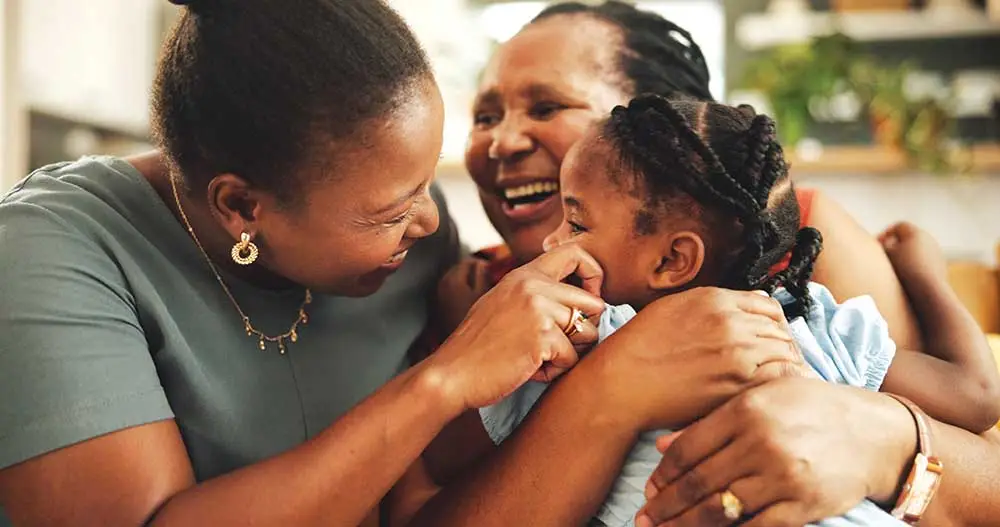
Social health is something we can actively work on at any age. It can be as simple as making a phone call, joining an activity, helping a neighbor, or finding a new way to participate in the community. For some people, building a social life comes naturally; for others, it may take a little more effort, particularly after retirement, a move, the loss of a spouse, or other major changes in life. The good news is that there are many opportunities to become more engaged, strengthen existing relationships, and create new ones.
Make Connections
Social connections may help protect health and lengthen life. Scientists are finding that our links to others can have powerful effects on our health. Whether with family, friends, neighbors, romantic partners, or others, social connections can influence our biology and well-being. Look for ways to get involved with others.
To Find New Social Connections:
- Learn something new. Join a group interested in a hobby, such as knitting, hiking, birdwatching, painting, or wood carving.
- Volunteer. Consider helping out at a school, library, museum, hospital, or animal shelter.
- Stay in touch with family, friends, and neighbors. Connect in person, online, or by phone.
- Share your knowledge. Teach a favorite pastime or skill, like chess or baking, to a new generation.
- Take the stage. Take part in a local theater troupe, sing in a community choral group, or play in a local band or orchestra.
- Help others. Run errands for people with limited mobility or access to transportation.
- Get moving. Take a class in yoga, tai chi, or other physical activity.
- Be more active in your local community. Take part in community or senior center events. Join a faith-based organization that aligns with your beliefs.
Take Care of Yourself While Caring for Others
Many of us will end up becoming a caregiver at some point in our lives. The stress and strain of caregiving can take a toll on your health. It’s important to find ways to care for your health while caring for others. Depending on your circumstances, some self-care strategies may be more difficult to carry out than others. Choose ones that work for you.
To Take Care of Yourself While Caring for Others:
- Get organized. Make to-do lists and set a daily routine.
- Ask for help. Make a list of ways others can help. For instance, someone might sit with the person while you do errands.
- Try to take breaks each day. Finding respite care can help you create time for yourself or to spend with friends.
- Keep up with your hobbies and interests when you can.
- Join a caregiver’s support group. Meeting other caregivers may give you a chance to exchange stories and ideas.
- Eat healthy foods, and exercise as often as you can.
Get Active Together
Physical activity has many benefits. It can improve your health, mood, and energy levels. But sometimes, the inspiration to get moving may be lacking. That’s when friends, family, and other social connections can help. Research has shown that connecting with others, called social support, can help you get active and make changes to improve your health.
To Get Moving With Others:
- Build your network. Find a group for people with shared interests, like a walking, hiking, dancing, or biking club.
- Make a shared routine. Commit to a walking schedule with a neighbor, family member, or friend.
- Be accountable. Share your physical activity goals with people you trust. Ask for their support.
- Take a class. Try a yoga, tai chi, or fitness class with a friend. You can even take a virtual class online with a friend in another town.
- Join a team. Look for local sports teams, like softball.
- Family activity. Join your kids for a bike ride or other activity.
- Get dancing. Go to a local dance, take dance classes, or dance with family at home.
- Move more at work. Join worksite wellness or walking groups.
Shape Your Family’s Health Habits
Many things can influence a child, including friends, teachers, and the things they see when they sit in front of the TV or computer. If you’re a parent, know that your everyday behavior plays a big part in shaping your child’s behavior, too. With your help, kids can learn to develop healthy eating and physical activity habits that last throughout their lives.
To Help Kids Form Healthy Habits:
- Be a role model. Eat healthy family meals together. Walk or ride bikes instead of watching TV or surfing the Web.
- Make healthy choices easy. Put nutritious food where it’s easy to see. Keep balls and other sports gear handy.
- Focus on fun. Play in the park or walk through the zoo or on a nature trail. Cook a healthy meal together.
- Limit screen time. Don’t put a TV in your child’s bedroom. Avoid snacks and meals in front of the TV.
- Check with caregivers or schools. Make sure they offer healthy foods, active playtime, and limited TV or video games.
- Change a little at a time. If you drive everywhere, try walking to a nearby friend’s house, then later try walking a little farther.
Bond With Your Kids
Parents have an important job. Raising kids is both rewarding and challenging. Being sensitive, responsive, consistent, and available to your kids can help you build positive, healthy relationships with them. The strong emotional bonds that result help children learn how to manage their own feelings and behaviors and develop self-confidence. Children with strong connections to their caregivers are more likely to be able to cope with life’s challenges.
To Build Strong Relationships With Your Kids:
- Catch kids showing good behavior and offer specific praise.
- Give children meaningful jobs at home and positive recognition afterward. Help them improve their skills one step at a time.
- Use kind words, tones, and gestures when giving instructions or making requests.
- Spend some time every day in warm, positive, loving interaction with your kids. Look for opportunities to spend time as a family, like taking after-dinner walks or reading books together.
- Brainstorm solutions to problems at home or school together. Be available for advice and support, especially for teens.
- Set limits for yourself on mobile device use and other distractions. For instance, check your phone after your child goes to bed.
- Ask about your child’s concerns, worries, goals, and ideas.
- Participate in activities that your child enjoys. Help out with and attend their events, games, activities, and performances.
Build Healthy Relationships
Strong, healthy relationships are important throughout your life. They can impact your mental and physical well-being. As a child you learn the social skills you need to form and maintain relationships with others. But at any age you can learn ways to improve your relationships. It's important to know what a healthy relationship looks like and how to keep your connections supportive.
To Build Healthy Relationships:
- Recognize how other people influence you.
- Share your feelings honestly.
- Ask for what you need from others.
- Listen to others without judgement or blame. Be caring and empathetic.
- Disagree with others respectfully. Conflicts should not turn into personal attacks.
- Avoid being overly critical, angry outbursts, and violent behavior.
- Expect others to treat you with respect and honesty in return.
- Compromise. Try to come to agreements that work for everyone.
- Protect yourself from violent and abusive people. Set boundaries with others. Decide what you are and aren't willing to do. It's okay to say no.
- Learn the differences between healthy, unhealthy, and abusive ways of relating to others. Visit www.thehotline.org/healthy-relationships/relationship-spectrum.
There is no single formula for maintaining a healthy social life. What matters is finding activities, relationships, and routines that fit your interests and your stage of life. Try something new, reconnect with someone you haven't seen in a while, or look for a way to become more involved where you live. Even small steps can open the door to new experiences and relationships—and sometimes the simplest invitation or conversation can lead to something that becomes an important part of your life.