The Surprising Wellness Benefits of Enjoying Life
We spend a lot of time thinking about health. We count steps, read nutrition labels, schedule checkups, and search for ways to improve our physical and mental well-being. Yet amid all the advice about diet, exercise, sleep, and stress management, one important ingredient is often overlooked: FUN.
It may sound too simple to be true, but a growing body of research suggests that joy, laughter, recreation, and meaningful leisure activities play an important role in overall health. In a culture that often celebrates productivity and busyness, many adults have quietly pushed fun to the bottom of their priority list. We tell ourselves we’ll relax after the project is finished, spend more time with friends once life slows down, or return to hobbies when we have more free time. The trouble is that life rarely slows down on its own.
As summer unfolds, bringing longer days and a more relaxed pace, it may be the perfect time to reconsider the role that enjoyment plays in our lives. What if having fun isn’t a distraction from good health? What if it’s actually part of the prescription?
Most people understand the effects of chronic stress. Long-term stress has been linked to everything from sleep disturbances and anxiety to elevated blood pressure and fatigue. What researchers are increasingly discovering is that positive experiences may help offset some of those effects. Moments of joy and recreation encourage the body to shift out of its constant state of alertness. Muscles relax. Breathing slows. Mood improves. The mind gets a chance to recover from the steady stream of responsibilities that fill modern life.
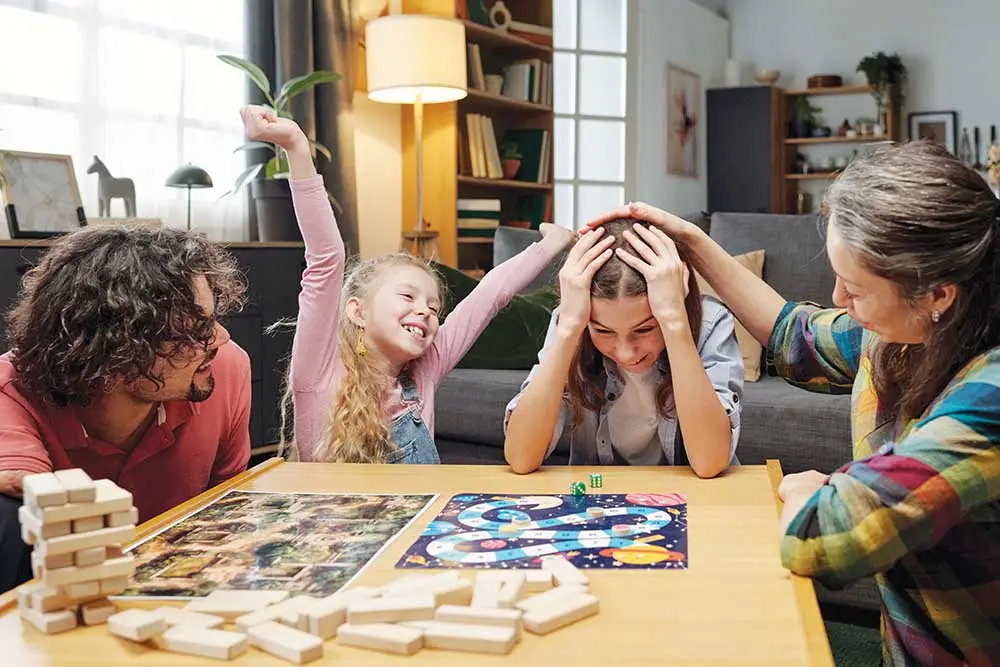
Think about how you feel after an enjoyable evening spent with friends, an afternoon at a summer festival, a family game night, or a few hours devoted to a favorite pastime. The challenges waiting for you tomorrow may still be there, but they often feel more manageable. Joy doesn’t eliminate stress, but it can help restore balance.
Children seem to understand this instinctively. They play, explore, laugh, and seek out activities simply because they are enjoyable. Adults, on the other hand, often become conditioned to believe that every hour should be productive. We measure successful days by accomplishments and completed tasks. Leisure can begin to feel indulgent, even when it serves an important purpose.
Over time, that mindset can leave people feeling depleted. When life becomes nothing more than a series of obligations, burnout often follows. Ironically, people who regularly make time for activities they enjoy frequently report feeling more energized, creative, and resilient. Rather than taking away from productivity, periods of recreation often enhance it.
One of the most powerful ways to bring more enjoyment into life is through hobbies. Unlike work responsibilities or household chores, hobbies exist primarily for personal satisfaction. Whether it’s gardening, photography, painting, woodworking, quilting, fishing, baking, or learning a musical instrument, hobbies offer something many adults desperately need: an opportunity to become fully engaged in an activity simply because they enjoy it.
Psychologists often refer to this experience as “flow”—a state in which a person becomes so absorbed in an activity that they lose track of time and temporarily forget their worries. During these moments, attention narrows, distractions fade, and the mind experiences a welcome break from everyday concerns. The specific hobby matters less than the sense of enjoyment and engagement it creates.
Laughter is another often-underestimated contributor to well-being. Most of us have experienced the feeling of laughing so hard that our sides hurt and our mood instantly improves. While it may seem like a small thing, laughter creates measurable physical responses. It helps reduce tension, encourages relaxation, and strengthens social bonds.
Think about the people in your life who make you laugh. Chances are they contribute more to your health than either of you realize. Humor creates connection. It lightens difficult situations and reminds us not to take every challenge so seriously. In a world that often feels heavy, moments of genuine laughter can be surprisingly restorative.
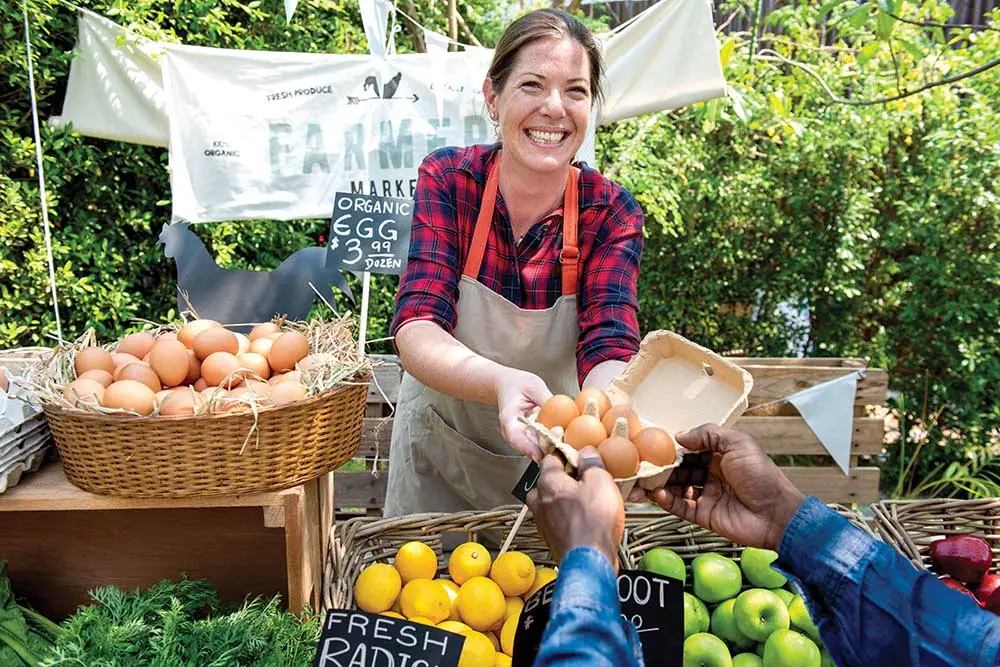
Of course, joy is often closely tied to relationships. Some of life’s happiest memories involve shared experiences rather than individual accomplishments. Summer, in particular, provides countless opportunities to connect with others through community events, outdoor concerts, farmers markets, neighborhood gatherings, vacations, and family celebrations.
Years from now, most people won’t remember every meeting they attended or every item they crossed off a to-do list. They will remember evenings spent around a campfire, conversations with close friends, family road trips, and celebrations shared with loved ones. These experiences create lasting memories because they combine two powerful contributors to well-being: joy and connection.
What surprises many people is that happiness doesn’t necessarily come from major life events. While dream vacations and milestone celebrations are wonderful, researchers have found that small, everyday pleasures often contribute just as much to overall satisfaction. A cup of coffee enjoyed on a quiet porch. Fresh vegetables from the garden. A walk on a
beautiful evening. Listening to favorite music while driving with the windows down. Watching grandchildren play in the backyard.
These moments may seem ordinary, but they have a way of enriching daily life. The challenge is not finding them; it’s noticing them. In our rush to get through each day, we often overlook simple experiences that have the potential to bring genuine enjoyment.
Perhaps the greatest obstacle to joy is the belief that it should come later. Many people spend years postponing the things they enjoy. They plan to travel after retirement, reconnect with friends once work becomes less demanding, or revisit old interests when responsibilities ease. Unfortunately, that perfect time rarely arrives.
Creating more joy often requires intention. It means recognizing that enjoyment is not wasted time. It means understanding that health is about more than numbers on a scale, lab results, or fitness goals. Emotional well-being matters, too.
As healthcare professionals continue to emphasize the importance of whole-person wellness, there is growing recognition that a healthy life should also be a fulfilling one. Physical health, mental health, relationships, purpose, and enjoyment are all connected. When one area suffers, the others often feel the impact.
This summer, consider giving yourself permission to have a little more fun. Attend the concert. Take the day trip. Start the hobby. Meet a friend for lunch. Spend an evening laughing with family. Watch the sunset instead of rushing to the next task.
You don’t have to earn joy. You don’t have to wait for a special occasion.
Sometimes the healthiest thing you can do is simply enjoy your life.
A Summer Prescription for Joy
Looking for simple ways to add more enjoyment to your days?
Try one of these:
• Attend a free outdoor concert.
• Visit a local farmers market.
• Start a small garden.
• Plan a picnic.
• Take a technology-free evening.
• Learn a new hobby.
• Schedule a game night with family and friends.
• Explore a nearby town you’ve never visited.
• Watch a sunrise or sunset.
• Create a summer bucket list with family.