Why the People in Our Lives May Matter More to Our Health Than We Realize
There are some things our bodies need that we rarely think about putting on a prescription list. We know we need nutritious food, adequate sleep, physical activity and regular medical care. We pay attention to blood pressure and cholesterol, watch our weight and try to make healthier choices when we can. But there is another part of a healthy life that is much harder to measure. It doesn't come in a bottle, appear on a lab report, or have a recommended daily allowance. It is the simple human need to feel connected to other people.
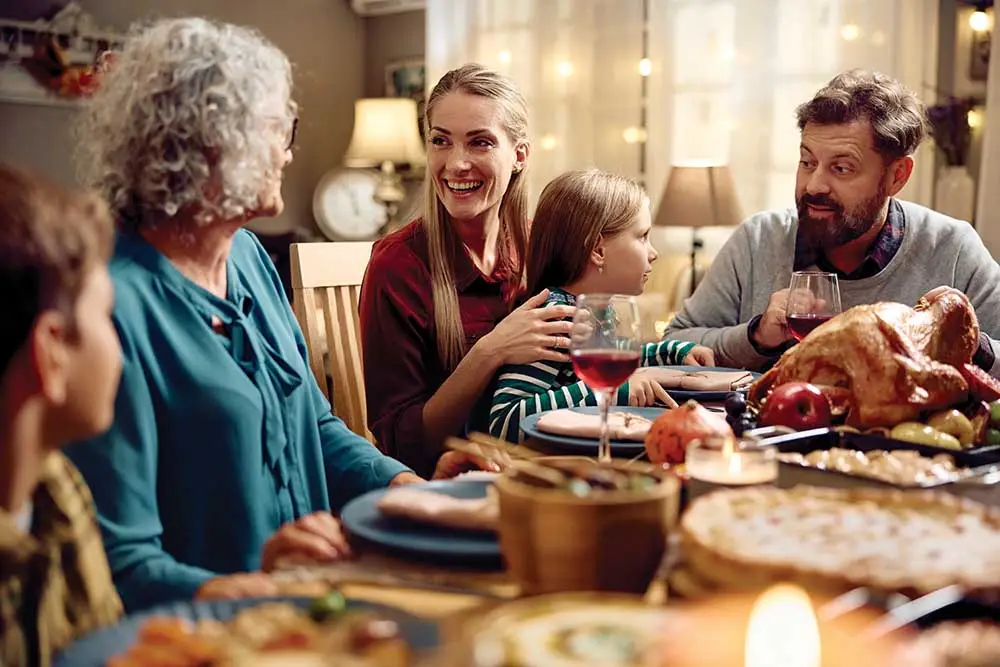
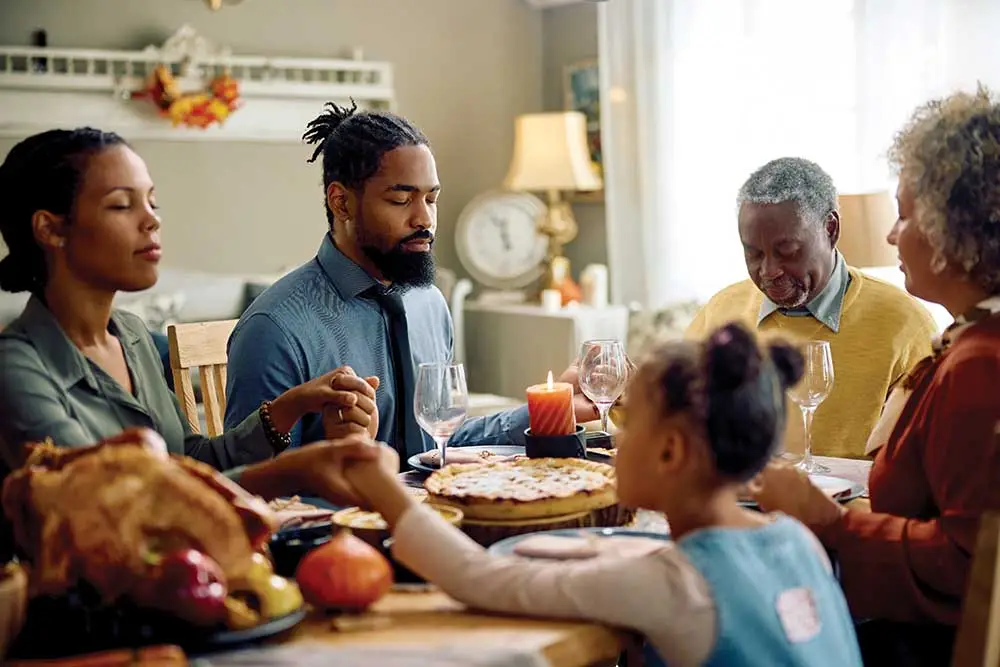
November seems to bring that need into sharper focus. As Thanksgiving approaches, many of us will gather around tables with family and friends, sharing a meal, telling stories, and remembering traditions that may have been part of our lives for decades. For some, the gathering will be large and noisy, with children running through the house, and several conversations happening at once. For others, it may be a quiet meal with a spouse, a few close friends, or perhaps a phone call with someone who lives too far away to join the celebration. Whatever it looks like, these moments are often considered simply part of life. Yet the relationships we maintain and the sense of belonging they provide are closely connected to our overall well-being.
Human beings have always depended on one another. Long before modern medicine and today's technology, people lived in families and communities where cooperation and companionship were essential. Today, we can accomplish more things independently than previous generations could have imagined, and technology allows us to communicate with someone on the other side of the country almost instantly. Yet our basic need for meaningful human interaction hasn't changed. A text message or social media post can keep us informed, but it doesn't always provide the same sense of connection as sitting across from someone, hearing their voice, sharing a laugh, or simply knowing that another person understands what we're going through.
That becomes especially important during difficult times. Stress is an unavoidable part of life, and there will always be circumstances we cannot control. A health concern, financial problem, family difficulty, or major life transition doesn't disappear simply because we talk about it with someone else. But sharing a burden can change how we experience it. Sometimes we need advice; other times we simply need someone willing to listen without trying to solve the problem. A trusted friend or family member can offer perspective when our own thoughts have become overwhelmed by worry and remind us that we don't have to face every difficult situation entirely on our own.
This doesn't mean relationships replace professional help. Someone struggling with persistent anxiety, depression, overwhelming stress or other mental health concerns should seek help from a qualified professional. But a healthy support system can be an important part of overall well-being, and recognizing when we need the support of others is not a weakness. It is another form of taking care of ourselves.
When Being Alone Isn't the Same as Being Lonely
It is important to recognize that being alone and being lonely are not the same thing. Many people genuinely enjoy solitude. There can be something restorative about a quiet morning with a cup of coffee, an afternoon spent reading or working in the garden, or simply having time without conversation or responsibility. Solitude can be a healthy and welcome part of life.
Loneliness is different. A person can be surrounded by other people and still feel profoundly disconnected. The issue isn't necessarily how many people are in our lives, but whether those relationships provide a sense of belonging, understanding and mutual care.
That can become more difficult as life changes. Children grow up and leave home. Careers come to an end. Friends move to different communities. Families become spread across several states. Retirement can remove the daily interactions that once seemed routine, while illness or mobility issues can make it harder to participate in activities that once provided a natural social life. The loss of a spouse or close friend can alter a person's world almost overnight.
When we're young, relationships often happen naturally through school, work, sports, raising children and other daily activities. Later in life, we may have to make a more conscious effort to create those opportunities. That doesn't mean filling every evening with social activities or maintaining a huge circle of friends. One or two meaningful relationships can be far more valuable than a calendar packed with obligations. Calling an old friend, inviting someone to lunch, joining a community organization, volunteering, or finding an activity that brings us into regular contact with other people can all create opportunities for meaningful interaction.
More Than a Social Life
The value of relationships goes beyond having someone to talk to. They can also give our lives structure and purpose, particularly when our roles are changing. This can be especially noticeable during retirement. After decades of working, raising a family, and meeting the responsibilities of a career, retirement can provide a wonderful sense of freedom. But it can also remove a routine that gave people a reason to get up every morning, a place to go, and people who depended on them.
Finding a new sense of purpose doesn't necessarily mean filling those hours with another job. It might mean volunteering, mentoring, becoming involved in a community organization, spending time with grandchildren, helping a neighbor, or pursuing an interest that was put aside years ago. Purpose doesn't have to be dramatic. Sometimes it is simply the feeling that our presence matters and that there are people or causes that benefit from what we have to offer.
That sense of engagement may be beneficial for the brain as well. Conversation, learning, sharing experiences, and participating in activities with other people require us to listen, remember, interpret, and respond. Social interaction keeps us mentally engaged and gives us opportunities to continue learning and creating memories. It is not a guarantee against cognitive decline or a treatment for conditions such as dementia, but remaining mentally and socially active is an important part of healthy aging.
Perhaps just as importantly, people who know us well can sometimes notice changes that we don't recognize ourselves. A friend may realize that we've become unusually withdrawn, while a family member may notice a change in memory, mood, or behavior. These observations don't necessarily mean that something is wrong, but they can provide a reason to pay closer attention and, when appropriate, talk with a healthcare professional.
Making Room for Connection
The Thanksgiving season offers a natural reminder to appreciate the people who make our lives richer, but connection is not something that needs to be reserved for a holiday. In fact, the ordinary moments may matter the most. A weekly lunch with a friend, a standing phone call with a son or daughter, coffee with a neighbor, volunteering at a local organization, or sitting down for dinner without everyone looking at a screen can create a sense of continuity and belonging that becomes part of the rhythm of everyday life.
For some people, however, the holidays can highlight the absence of those relationships rather than their presence. Thanksgiving and the weeks surrounding it can bring grief, loneliness, family tension, or memories of people who are no longer here. The expectation that everyone should be happy and surrounded by loved ones can make a difficult season feel even more difficult. There is no requirement to pretend otherwise. Sometimes the healthiest response is simply to acknowledge those feelings, find someone willing to listen, and look for small opportunities to connect in ways that feel genuine.
We often talk about health as though it is something we build entirely through individual choices. We decide what to eat, whether to exercise, when to see the doctor and whether to take our medications. Those choices are important, but our health doesn't exist in isolation from the rest of our lives. The people we love, the communities we belong to, and the sense of purpose we find in our daily lives all contribute to the bigger picture.
Perhaps that is one of the lessons hidden in a Thanksgiving gathering. The meal itself is only part of what makes the day meaningful. It is the conversation around the table, the familiar stories, the laughter, the traditions and the people who took the time to show up. Those moments may not appear on a medical chart, but they are part of what makes a life feel full.
So this November, taking care of your health might include something that doesn't require a prescription, a fitness tracker, or an appointment. Call the friend you've been meaning to call. Invite someone to lunch. Check on a neighbor. Accept an invitation instead of automatically saying no. Sit a little longer at the kitchen table and listen to the person across from you.
Good health isn't only about what we put into our bodies or how often we exercise them. It is also about the life we build around ourselves and the people with whom we share it. Some of the most important things we can do for our health come from simply making time for one another.