

By Stefanie Riley, LDN, and Dawn Blocklinger, RD, LDN, Bloomington Hy-Vee dietitians
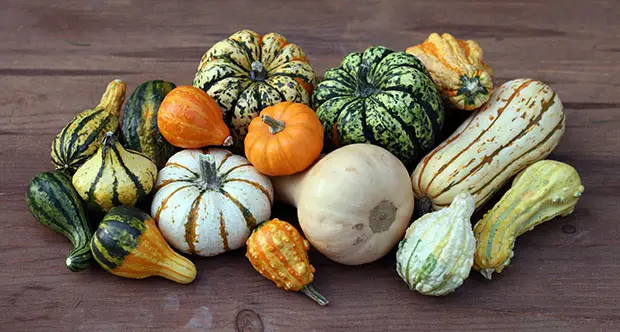
Are you taking advantage of all the winter squash that is at the peak of its season? Some people aren’t. They may not know what to do with these large, strangely shaped fruits (yes, squash are actually considered fruit!) that are often just used for fall decorating. Many might not be sure how to cook squash properly. Read on to discover delicious ways to get these winter fruits on your dinner table.
Acorn squash: As the name suggests, this winter squash is small and round shaped, like an acorn. A great baking squash, all you do is cut it in half, scrape out the seeds and give it a drizzle of olive oil and a sprinkle of some spices, such as cinnamon and nutmeg. A small acorn squash weighs from one to three pounds, and has sweet, slightly fibrous flesh. It can also be stuffed as either a savory (ground meat, chicken, turkey sausage) or sweet (apples, cranberries, and brown sugar) dish.
Spaghetti squash: This small, watermelon-shaped variety ranges in size from two to five pounds or more. It has a golden-yellow, oval rind and a mild, nutlike flavor. The yellowest spaghetti squash will be the one that is ripest and best to eat. Those that are nearly white are not very ripe. The best part about spaghetti squash is that once you cook it, the flesh becomes exactly like spaghetti pasta, but without all the carbohydrates. One cup of regular pasta has around 200 calories and 40 grams of carbohydrate whereas one cup of spaghetti squash has only 42 calories and 10 grams of carbohydrate. To prepare spaghetti squash, cut the squash in half lengthwise and remove the seeds. Then bake it, cut-side-down, until tender. Once cooked, use a fork to scrape out the spaghetti-like stringy flesh (all the way to the rind), and serve any way you’d serve regular spaghetti pasta.
Butternut squash: These are easily found in supermarkets and are beige colored and shaped like a vase or a bell. This squash tastes very similar to sweet potatoes. It has a round end and pale, creamy skin, with a great textured, deep-orange flesh that has a sweet, nutty flavor. It weighs from two to five pounds. The more orange the color, the riper, drier, and sweeter the squash. Butternut is commonly used in making soup because it yields a very smooth texture.
Buttercup squash: This popular variety is part of the turban squash family (hard shells with turban-like shapes). They have dark-green skin, and sometimes have lighter green streaks. The inside is orange, sweet, and creamy. This squash is much sweeter than other winter varieties. Buttercup squash can be baked, mashed, pureed, steamed, simmered, or stuffed and can replace sweet potatoes in most recipes.
Not only are winter squash delicious in taste, they also provide a variety of health benefits. They are packed with vitamin A to support good vision, a healthy immune system, and cell growth. Winter squash also contains a good amount of vitamin C and the mineral manganese. All of these nutrients provide flu-fighting benefits. So, next time you’re in the grocery store, consider making winter squash the focal point of your next family meal!
Hy-Vee is Bloomington’s newest full-service grocery store located at 1403 N. Veteran’s Parkway. Dietitians are on site at the store every day of the week to help you with specific dietary needs or to answer questions. If you need further guidance, make an appointment with Stefanie or Dawn at 309-663-3054, or e-mail 1035dietitianmailgroup@hy-vee.com.