

By Joen Lane, Ideal Family Weight Loss & Life Balance Center
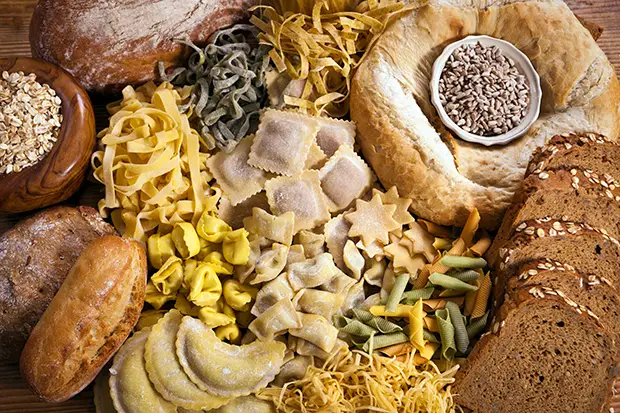
Recently, it seems that every lecture, podcast, webinar, and article about health and fitness focuses on avoiding carbohydrates. In all truth, the body needs good carbohydrates. They are the nutritional crux of our ability to maintain good health. Most information tends to focus on carbohydrates and weight loss because Americans have been playing the yo-yo game when it comes to weight loss and weight gain, and carbohydrates usually take the rap. So, for the sake of this article, let us pretend everyone in America needs to lose some weight.
Many nutritionists and dieticians emphasize the importance of reading food labels. First and foremost, focus on calories, then calories from fat, followed by fats and cholesterols with carbohydrates; fiber and sugars pull up the bottom of the label list. Calories have always been the standard of measure in our society. While each body is different, if you do not meet your body’s daily calorie requirement, you will lose weight. Still, there is a big difference in 1,000 calories of broccoli versus 1,000 calories of ice cream. You can lose weight from low calories no matter their quality, however, you cannot sustain the weight loss and your body’s health begins to break down as you repeat the gain and loss cycle.
How do we determine good carbohydrates from bad carbohydrates? There are basically three types of carbohydrates:
- Simple carbohydrates are composed of one or two sugar units that are broken down and digested quickly. Recent research has shown that certain simple-carbohydrate foods can cause extreme surges in blood-sugar levels, which also increases insulin release. This can elevate appetite and the risk of excess fat storage.
- Complex carbohydrates (also referred to as starches) are made up of many sugar units, and are found in both natural (brown rice) and refined (white bread) form. They are structurally more complex, and take longer to be broken down and digested. Complex carbohydrate foods have been shown to enter the blood stream gradually and trigger only a moderate rise in insulin levels, which stabilizes appetite and results in fewer carbohydrates that are stored as fat. Unrefined or “whole grain” carbohydrates found in products like brown rice, whole-wheat pasta, and bran cereals are digested slowly. They contain vitamins, minerals, and fiber, which promote health. Fiber and nutrient-rich vegetables, fruits, and beans (which are carbohydrates) also have many important functions for the body and are important for good health.
- Indigestible carbohydrates are also called fiber. The body is unable to break down fiber into small enough units for absorption. It is therefore not an energy source for the body, but does promote health in many other ways.
The Harvard Medical School recommends low-glycemic carbohydrates, which will not raise your blood sugar as quickly as high-glycemic carbs. Good choices are fruits and vegetables, beans, nuts, low-fat dairy products, whole grains, and whole-wheat pastas. When choosing fats, opt for mono or polyunsaturated fats. Good fats include olive oil, sesame oil, safflower oil, walnuts, avocados, nuts, olives, flaxseeds, and fatty fish.
The magic in eating healthy carbs, and not storing unneeded fat, is to monitor your fats and carbohydrate combinations. If a meal is dense in fats, it should be sparse in carbs and vice versa. So, French fries break that great rule as it is a carb cooked in fats. However, a baked French fry gives you an alternative, and a baked sweet potato fry moves you into a more health-conscious position where carbs are concerned. It is truly all about the effect the carbohydrate has on the pancreas.
Begin by adjusting the following, and you will start to see a difference in how you feel, how your body begins to change, and how your health and stamina may increase.
Include the following in your diet every day:
Two servings of fruit — preferably in the morning; three to five servings of vegetables — two cups at lunch and two cups at dinner are perfect; One to two servings of legumes, beans, or peas; Two to three servings of low-fat or non-fat dairy products.
Limit or eliminate the following from your diet:
Fruit juice, refined and processed white flour products (bread, muffins, bagels, rolls, pasta, noodles, crackers, cereal), white rice, French fries, anything fried, sugary desserts, cookies, cakes, pies, candies, doughnuts, pastries, chips, cola and carbonated beverages, sugar, honey, syrup, jam, jelly, and molasses.
Eating the appropriate carbohydrates all boils down to making good choices. We eat for so many reasons that have nothing to do with hunger. When eating carbs, some choices are better than others. Remember that you are what you eat!
Next month’s article will explain how two hormones — insulin and glucagon — control our body’s ability to lose fat.
Joen Lane is a certified weight loss coach with Ideal Family Weight Loss & Life Balance Center, offering Ideal Protein, the medically developed, sensible weight-loss protocol. The center is located at 2103 E. Washington Street in Bloomington. Their mission is to help people take control of their weight and keep it off. Classes are offered on a variety of food and lifestyle topics. For more information, please call 309-661-3235.
Photo credits: alle12/iStock