
 By Joen Lane, Ideal Weight Loss & Life Balance Center
The topic of water is much deeper than most people realize (no pun intended). The current research and a multitude of studies have investigated everything from availability, consumption, treatment standards, and testing, to metals, toxins, residual medical substances found in water, and drinking requirements for optimal health. One thing is for sure: the water we now take for granted will be in short supply in the next 50 years if we don’t protect our resources and increase recycling efforts.
There are many different types of drinking water that each have a different purification process. Here’s a quick run-down:
- Distilled water can be any kind of water that has been vaporized and collected, leaving behind any solid residues, including minerals. Great for irons, small appliances, humidifiers, and diffusers.
- Deionized water has had ionized impurities and minerals removed from it, but not bacteria or pathogens.
- Filtered water removes impurities by some sort of physical membrane to remove larger particles, pollutants, and minerals. Reverse-osmosis filtering is one method that is considered the most effective. There is a wide variety of filters available, including those for pitchers, ones that are faucet-mounted, or a filtering system for the main water source.
Tap water is still considered the easiest and best source for drinking water in the United States. Tap water is municipal water that comes out of the faucets and has been treated, processed, and disinfected. It is purified with chlorine and generally has added flouride. Distilled and deionized water lack essential minerals that are necessary for good health. Some reverse osmosis systems may remove these essential minerals as well. Each state is responsible for regulating standards for both municipal and bottled water. No doubt that some states do better than others when it comes to regulation and testing of water, especially in light of the recent debacle in Michigan. I strongly recommend that everyone test their water to ensure that it is safe to drink. Water testing kits are readily available at a local hardware store.
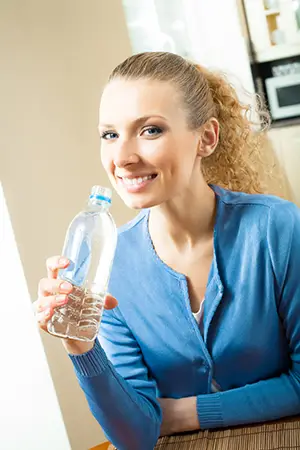
With filtered tap water being a good and viable option — for taste as well as quality — there is really no reason why people should be contributing to environmental waste by using disposable bottles of water. Especially when there are so many different options available for reusable bottles. Water bottles may be stainless steel, insulated, plastic, glass, or collapsible, and there is a wide assortment of different tops available as well. Some people are concerned about the BPA in plastic water bottles, even though they have been thoroughly tested and current models are considered very safe. No matter which materials a water bottle is made from, it should be durable, easy to use, a cinch to maintain, and leak-proof so that you feel safe tossing it into a bag with your iPad, phone, or other valuables. If you’re like me and like to have a variety of different water bottles, you may enjoy reading the detailed research and practical testing reports found online at www.thewirecutter.com.
Of course, it’s important to clean your water bottle with a bottle brush, some baking soda, and vinegar. I highly recommend the OXO Good Grips Water Bottle Cleaning set. Remember that if you drink anything besides water in your bottles, you’ll have more gunk build up and need to clean it more often. Even water produces biofilm in everything that has a repetitive use or holds it for an extended period of time. What is biofilm? It’s the slimy stuff you feel inside the vase of flowers that’s slick when you dump the water. I don’t think we want to drink any of that!
The recommended water consumption for adults is half of your body weight in ounces instead of pounds. So, if you weigh 130 pounds, then 65 ounces of water is your daily requirement. There are many other opinions regarding water consumption amounts, and while it is true that you can cause an entirely different set of problems by drinking too much water, if you follow the above rule, you should be well hydrated, and your body will function at its highest potential for the day. Always talk with your healthcare provider if you’re on medications or have a condition that would warrant reduction in your water consumption. Just because water is in a beverage, doesn’t mean you can count it toward your water consumption. You need just good, clean water in addition to any other beverage you choose to consume! You are what you eat — or in this case, what you drink!
Joen Lane is a certified weight-loss coach with Ideal Family Weight Loss & Life Balance Center, offering Ideal Protein, the medically developed, sensible weight loss protocol. The center is located at 2103 E. Washington St. in Bloomington. Their mission is to help people take control of their weight and keep it off. Classes are offered on a variety of food and lifestyle topics. For more information, please call 309-661-3235.
Sources available upon request
Photo credit: vgstudio/Adobe Stock