

Submitted by Brittany King, APN, WHNP, Advanced Women’s Healthcare
Do you ever feel irritable, grouchy, or anxious for seemingly no apparent reason? Or, perhaps you experience bloating, headaches, and fatigue during certain times of the month? When women experience such symptoms on a monthly basis, and recognizable patterns develop that affect a woman’s normal life, Pre-Menstrual Syndrome, (PMS) is often the cause.
PMS is a group of symptoms — both physical and emotional — linked to the menstrual cycle. PMS symptoms occur one to two weeks before your period starts and generally subside once bleeding begins. PMS can affect menstruating women of any age. For some, PMS is just a monthly annoyance. For others, it may be so severe that it makes it hard to even get through the day.
With over 150 symptoms of PMS, ranging from mild to severe, it’s no wonder women stress over “that time of the month.” Emotional symptoms include feelings of depression, anxiety, irritability, mood swings, and inability to focus. Physical symptoms include bloating, lack of energy, stomach cramps, lower back pain, breast tenderness, decreased sex drive, and food cravings. You’re not alone if you have a sweet tooth during the days before your period. It is estimated that nearly 50 percent of all women crave chocolate or other sweet treats.
The causes of PMS are not clear, but changes in hormones during the menstrual cycle seem to be an important cause. These changing hormone levels affect some women more than others. Stress and emotional problems, such as depression, do not seem to cause PMS, but they may make it worse.
PMS may be diagnosed based on which symptoms you have, when they occur, and how much they affect your life. You may want to keep track of which symptoms you have and when they occur to determine if there is a pattern. Your health care provider will want to make sure that you do not have another condition such as depression or anxiety, that may have similar symptoms.
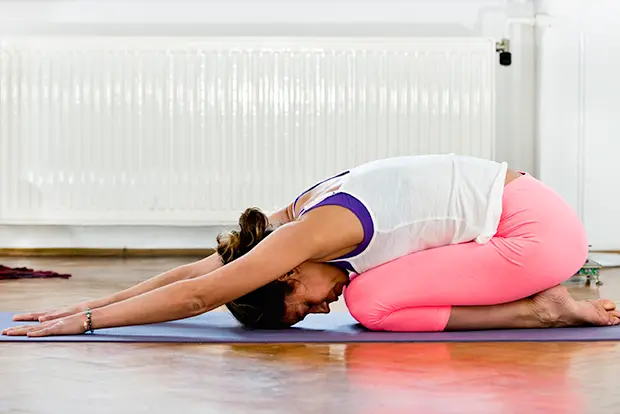
For most women, PMS symptoms are not severe and may be eased by certain lifestyle changes such as diet and exercise. A diet filled with healthy grains and complex carbohydrates provides better fuel for your body than those French fries you might be craving. Greek yogurt may also help if you are experiencing cramping or gastrointestinal issues. Avoid salt, sugary foods, caffeine, and alcohol, especially when you’re having PMS symptoms. Regular exercise, including cardio activities like walking or biking, also has many positive effects and could reduce PMS symptoms. Yoga and Pilates are great ways to introduce flexibility, relaxation, and reduce stress; stress tends to worsen PMS symptoms.
Over-the-counter medication, like ibuprofen, may help with headaches, pain, and cramping. In more severe cases of PMS, prescription medicines may be used to ease symptoms. One approach has been to use drugs that stop ovulation, such as birth control pills. Women on certain birth control pills report fewer PMS symptoms as well as lighter periods.
Recognizing the symptoms of PMS and knowing available treatments is the best way to manage the monthly cycle so you can enjoy every day of every month without interference.
Brittany King is an advanced practice nurse specializing in women’s health. She works alongside Dele Ogunleye, M.D., to provide a full range of obstetric and gynecologic services. You may contact Brittany or Dr. Ogunleye at Advanced Women’s Healthcare at 309-808-3068 or awhcare.com. The office is located at 2111 East Oakland Avenue (Next to the Jewel-Osco Plaza).
Photo credit: microgen/iStock