
Submitted by Drs. Bohn, Nielsen, Castillo, Grieco, and Couture, The Vein Specialists, LLC
Many people think of varicose veins as a cosmetic issue—an unwanted sign of aging that affects the appearance of the legs. While varicose veins can certainly impact confidence, they may also provide important clues about a person's vascular health. So, do varicose veins indicate poor health? The answer is more nuanced than a simple yes or no.
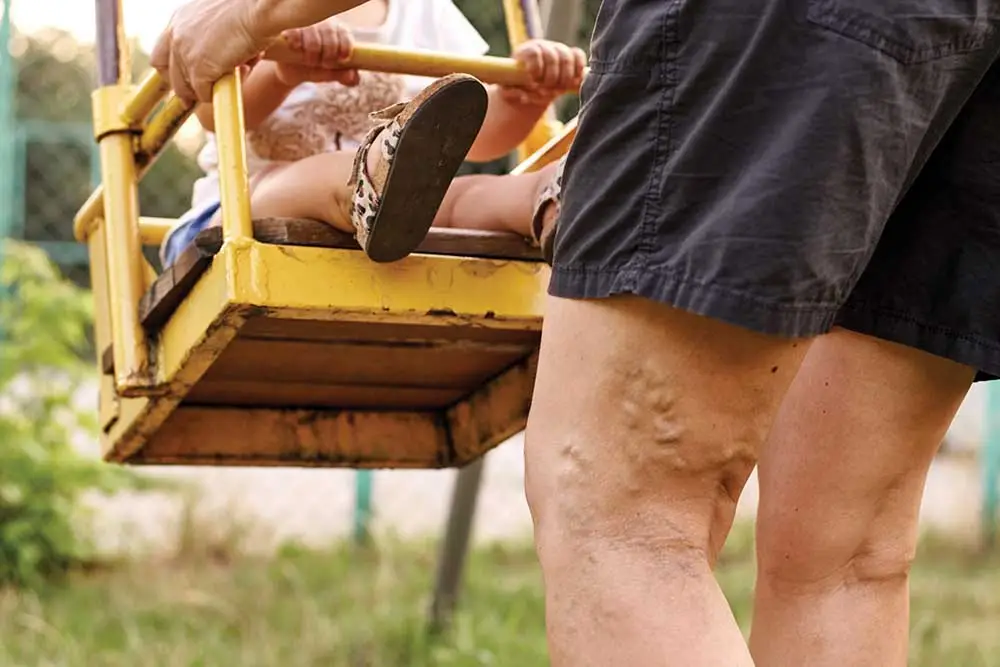
Varicose veins occur when the valves inside the veins become weak or damaged. Under normal circumstances, these valves help blood flow upward from the legs toward the heart. When they fail to function properly, blood can pool within the veins, causing them to enlarge, twist, and become visible beneath the skin.
The presence of varicose veins does not necessarily mean a person is unhealthy. In fact, many healthy and active individuals develop them. Several factors increase the likelihood of varicose veins, including genetics, age, pregnancy, prolonged standing, obesity, and hormonal changes. If close family members have varicose veins, there is a good chance future generations may develop them as well.
However, varicose veins should not be dismissed as purely cosmetic. They are often a sign of an underlying condition known as chronic venous insufficiency, a circulatory disorder that affects the veins' ability to return blood efficiently to the heart. When blood pools in the legs over time, it can create symptoms that impact comfort and quality of life.
Common symptoms associated with vein disease include aching, throbbing, heaviness, swelling, itching, cramping, and fatigue in the legs. Many people notice that symptoms worsen after long periods of standing or sitting. Some experience discomfort that interferes with exercise, work, or daily activities.
In more advanced cases, untreated vein disease can lead to complications. Chronic swelling may cause skin discoloration, inflammation, or thickening of the skin around the ankles. Some individuals may develop venous ulcers, which are wounds that heal slowly due to poor circulation. While these complications are not inevitable, they highlight the importance of monitoring vein health and seeking evaluation when symptoms become persistent.
It is also important to understand what varicose veins do not necessarily indicate. They are not automatically a sign of heart disease or poor overall cardiovascular fitness. Vein disease affects the veins that return blood to the heart, whereas many cardiovascular conditions involve the arteries that carry blood away from the heart. Although both are part of the circulatory system, they are distinct conditions with different causes and treatment approaches.
That said, maintaining good overall health can support vein function. Regular physical activity helps improve circulation by activating the calf muscles, which act as a natural pump for blood returning from the legs. Maintaining a healthy weight reduces pressure on the veins, while staying hydrated and avoiding prolonged periods of sitting or standing can help minimize symptoms.
If you suspect you have varicose veins, schedule an evaluation at the ONLY FULL-TIME Vein Clinic in downstate Illinois. During your initial consultation, one of their doctors will determine the underlying cause of your leg discomfort, explain your treatment options, and then guide you through every step of your procedure and recovery. Call The Vein Specialists at (309) 862-4000 or visit them online at www.ILveins.com. They have convenient locations at 3302 Gerig Drive in Bloomington or 2011 Rock Street, Suite C in Peru.